Todas las entradas por Germán León

Propagation Measurement Campaign in Lava Caves

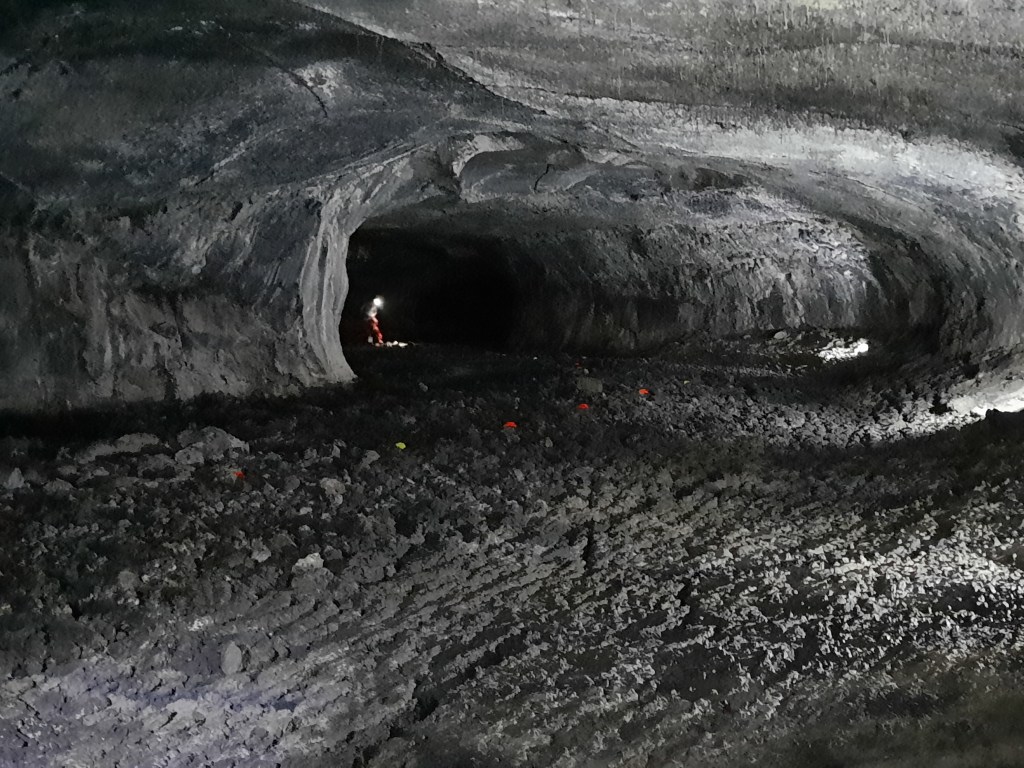
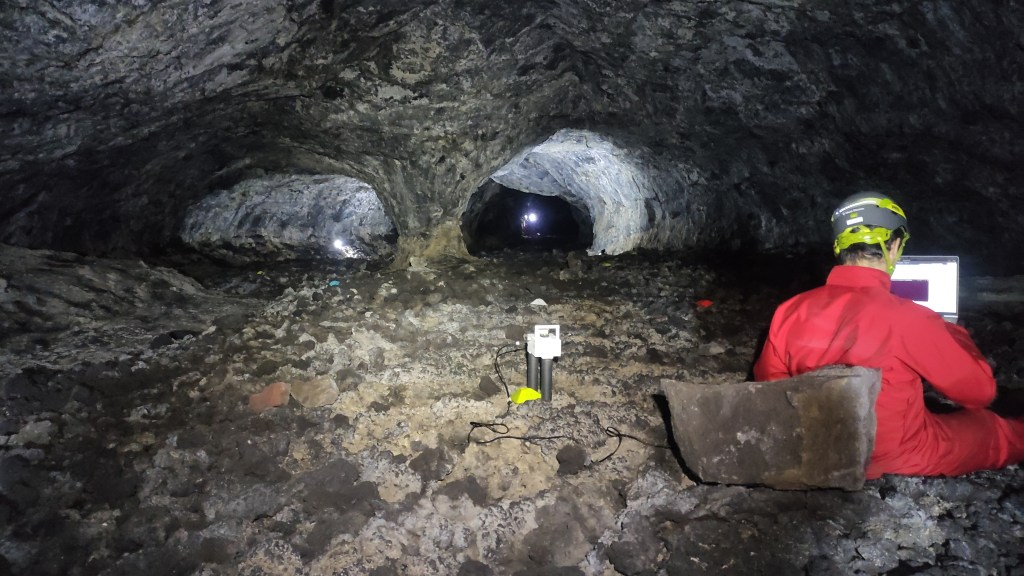
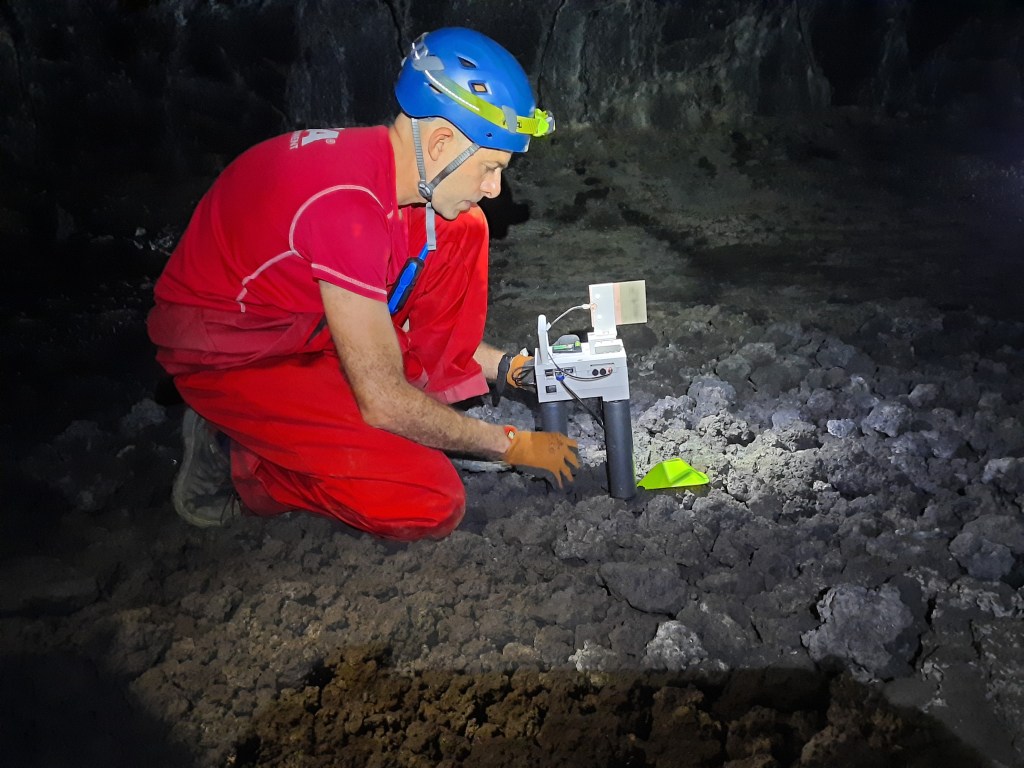
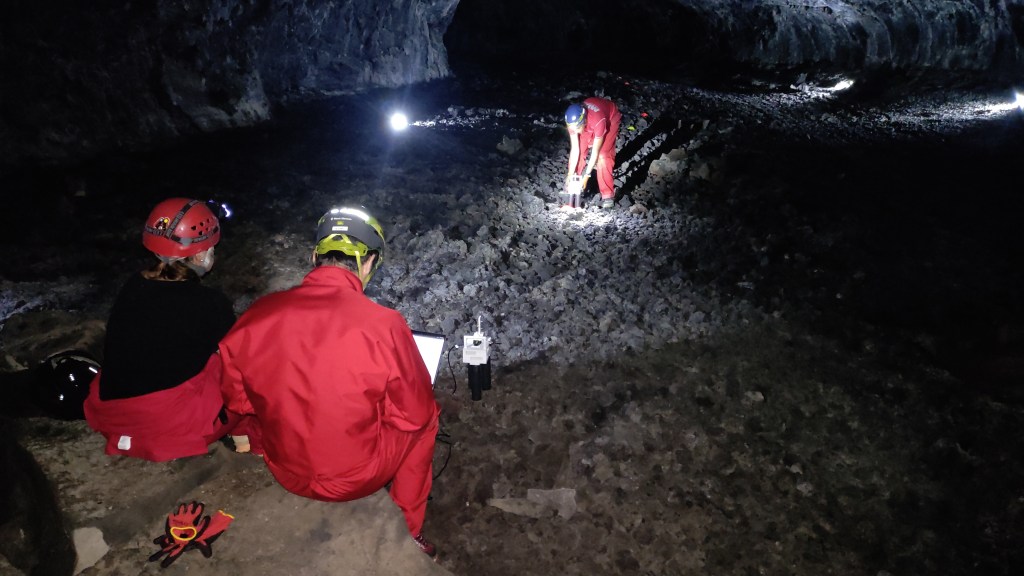
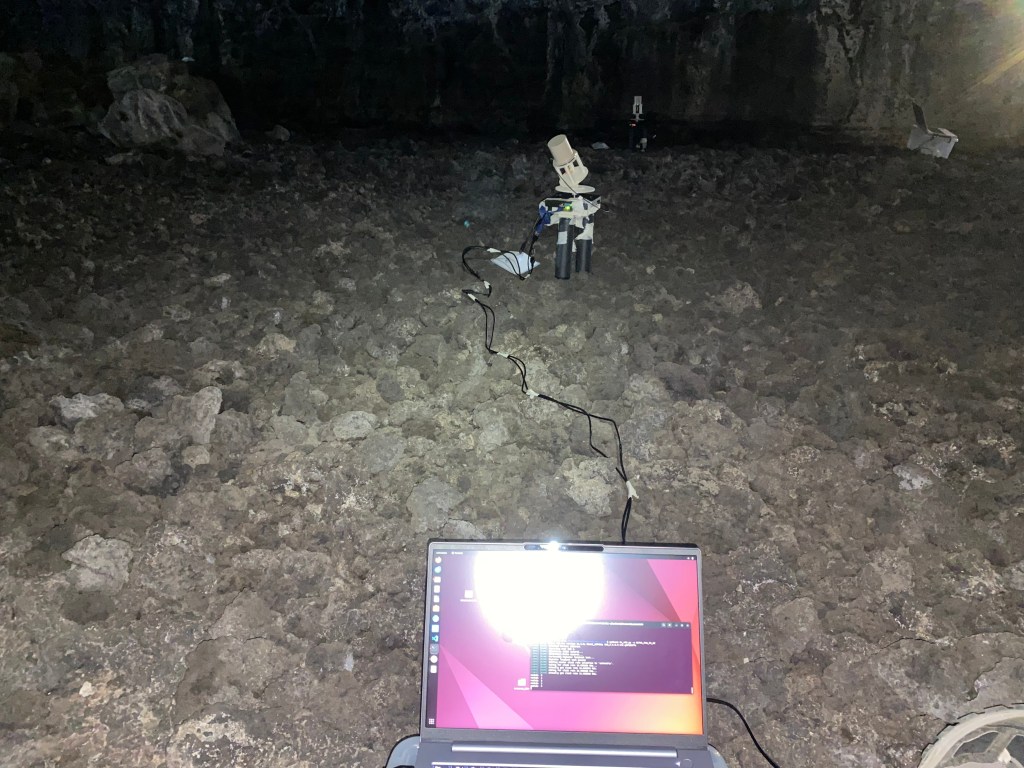
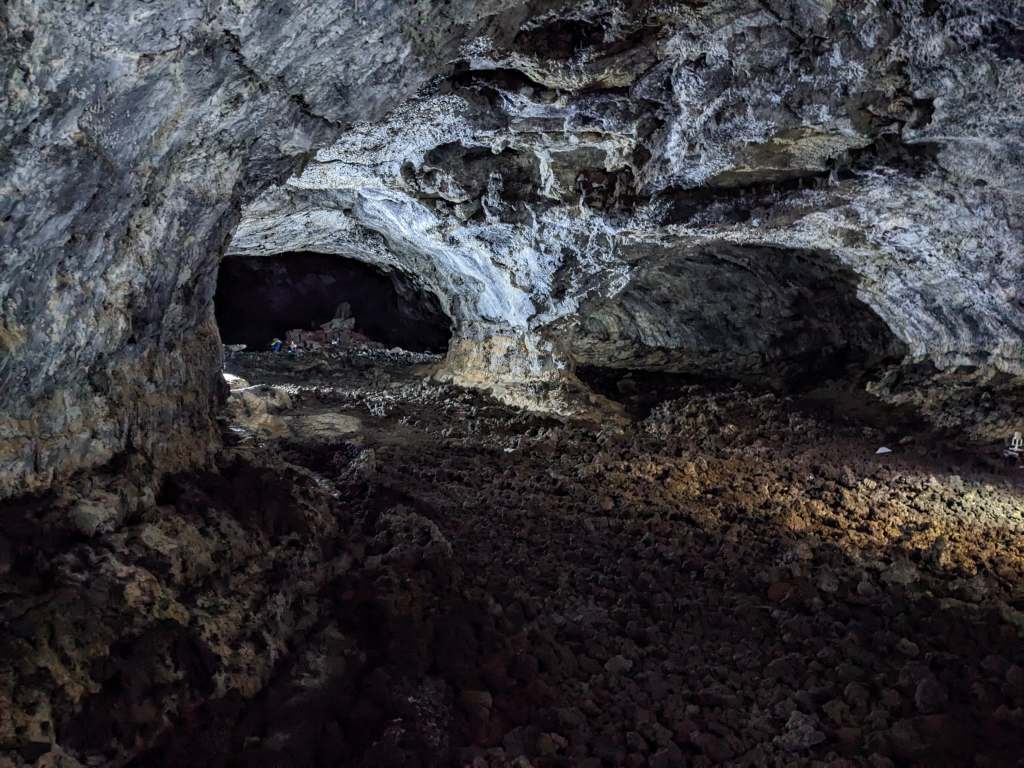
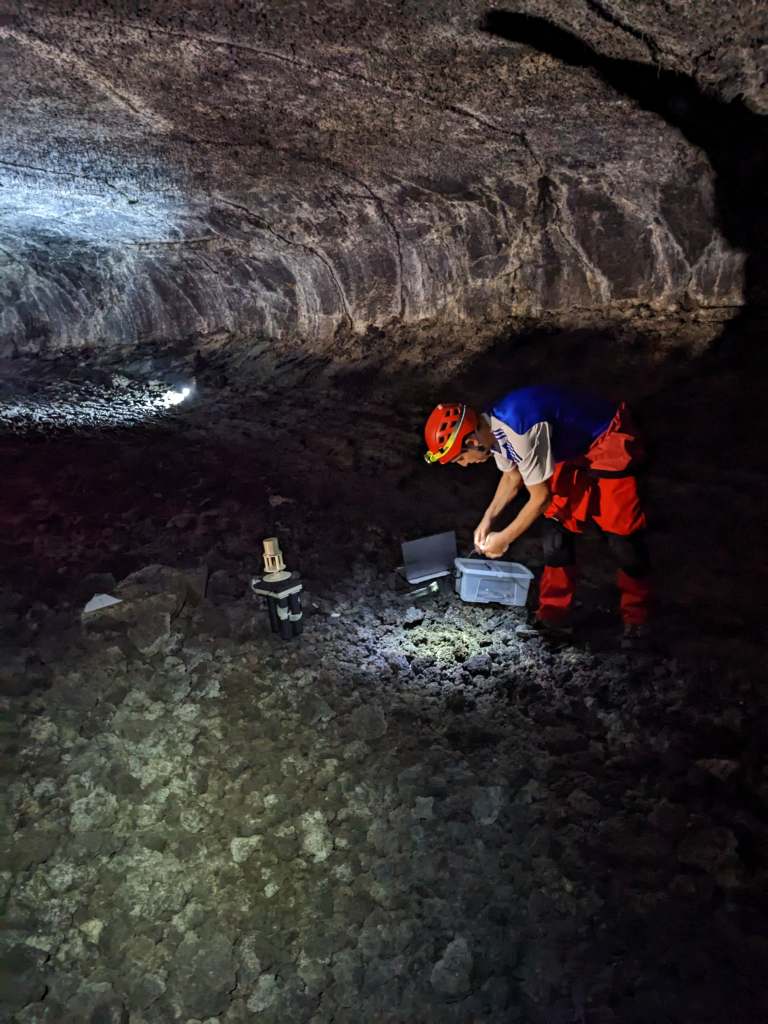
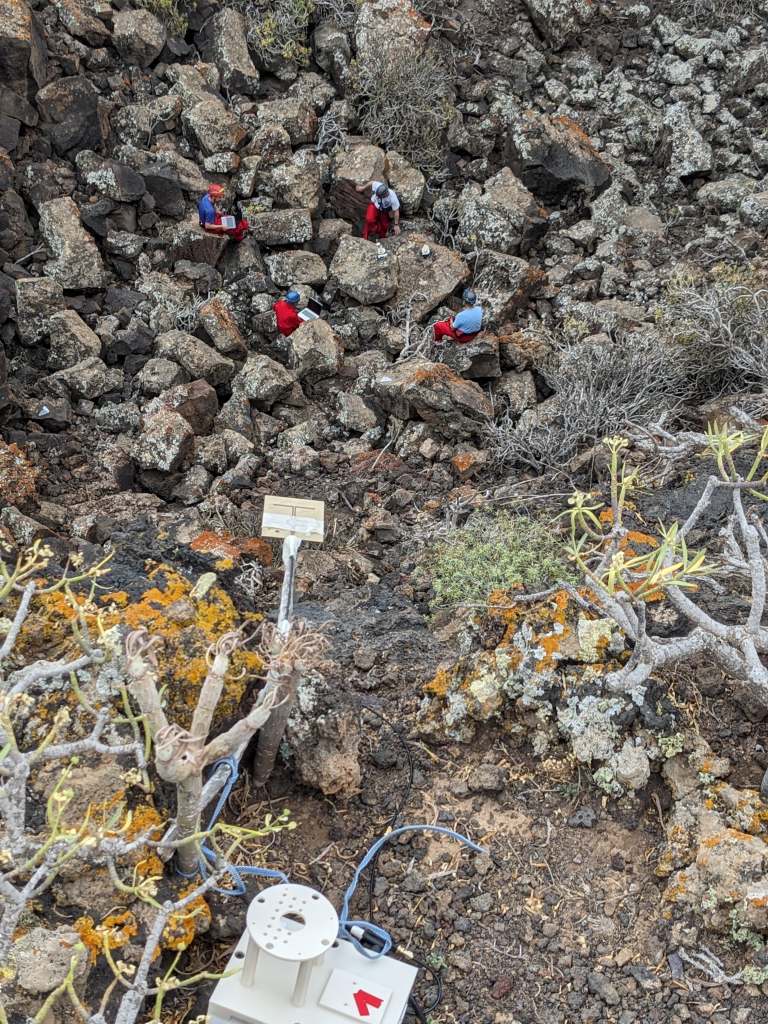
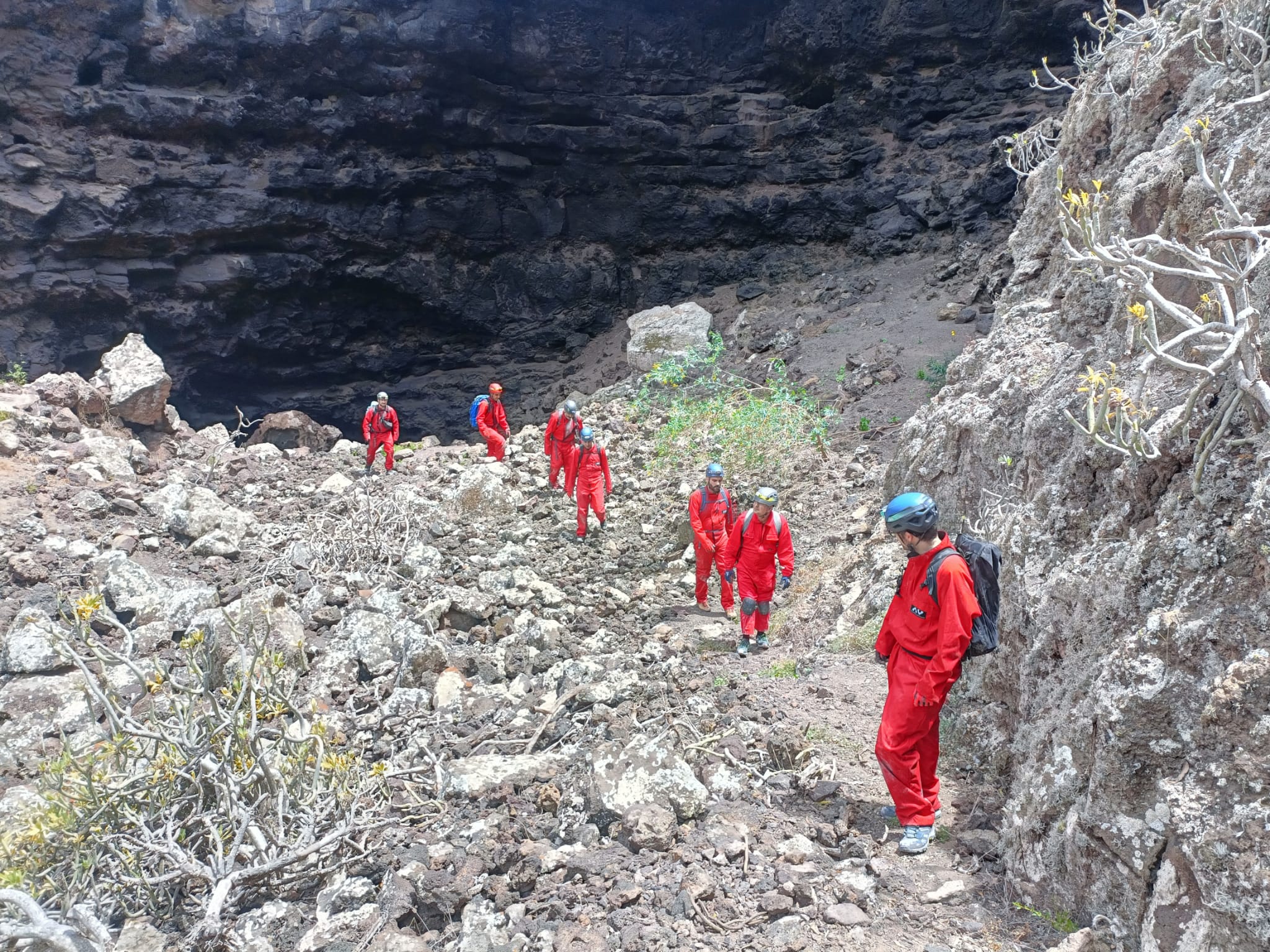
In October 2023 we conducted our first measurement campaign in lava caves in Lanzarote. It had a double objective. Firstly, to analyse the propagation between two hypothetical rovers in terrestrial scenarios analogous to lunar lava tubes; this implied that the antennas had to be located low to the ground. Secondly, to improve and validate our propagation models for such environments.
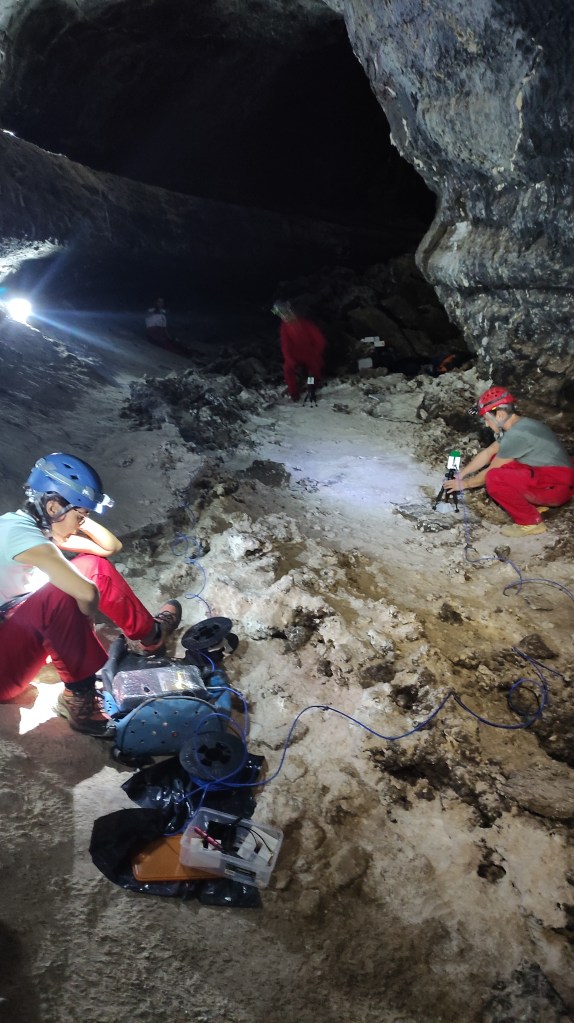
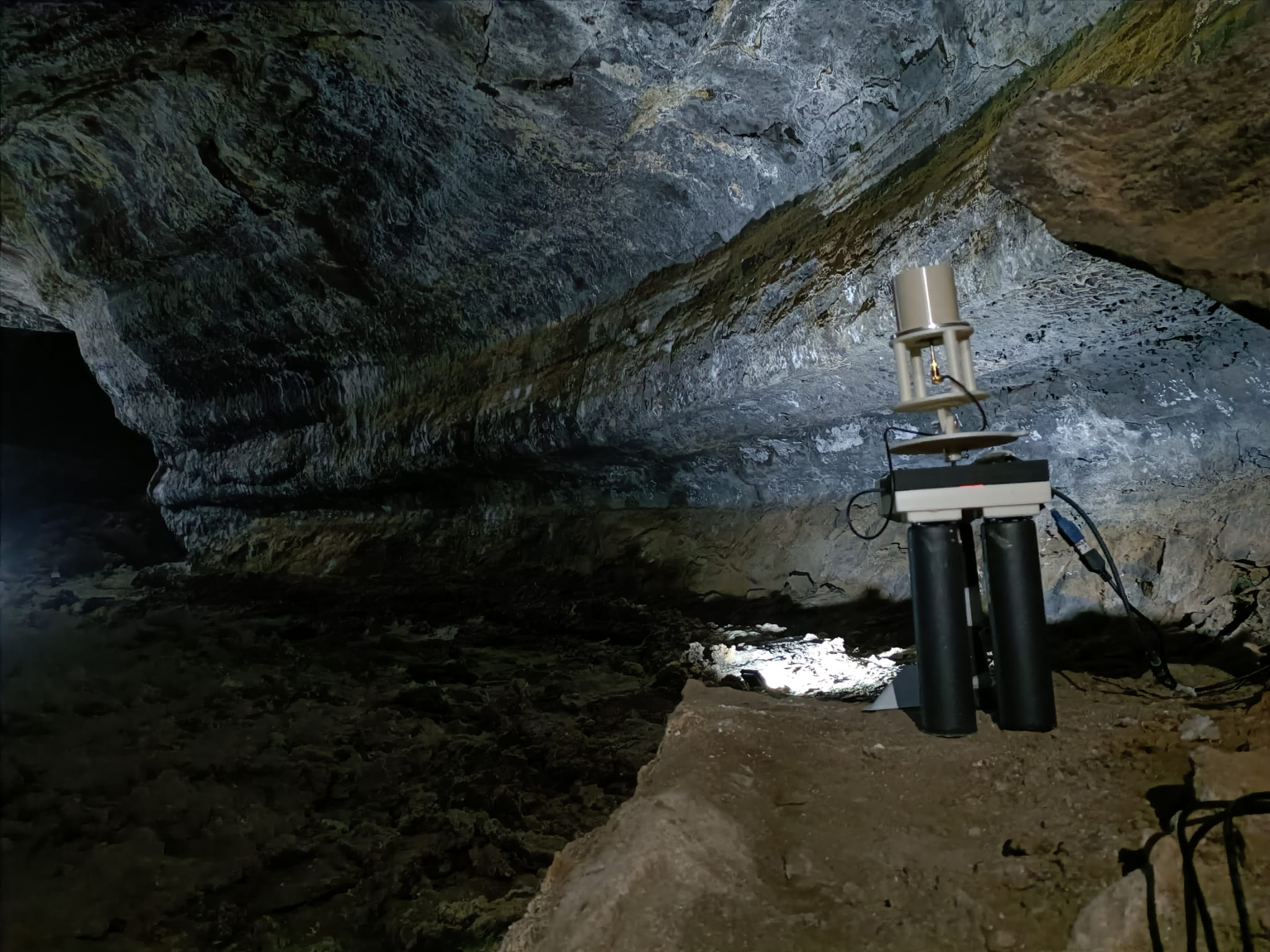
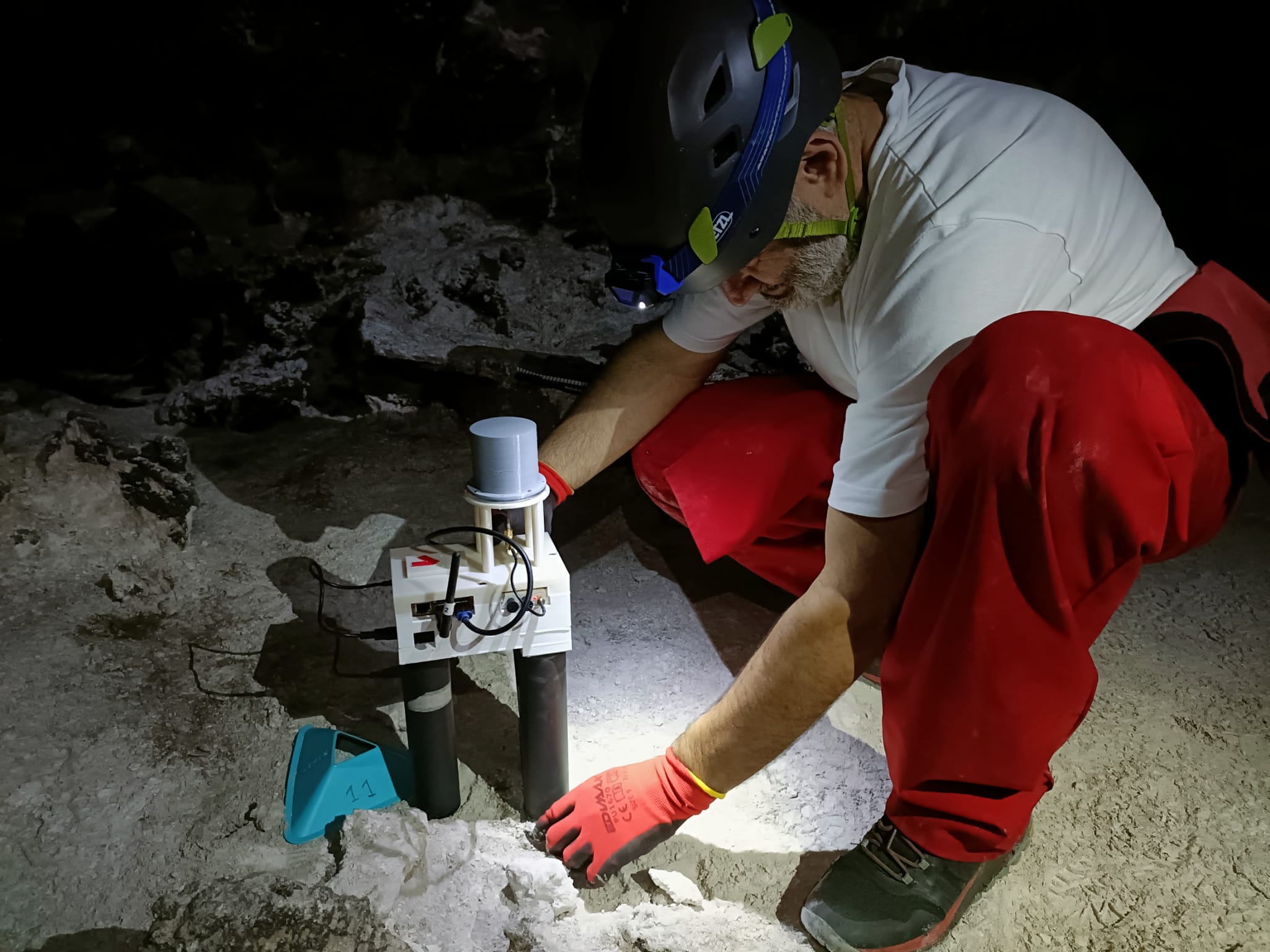
A large set of measurements were made, at two different frequencies, two different polarisations, and in different scenarios, using a Software Defined Radio (SDR) system based on GNU Radio and Universal Software Radio Peripherals (USRPs).

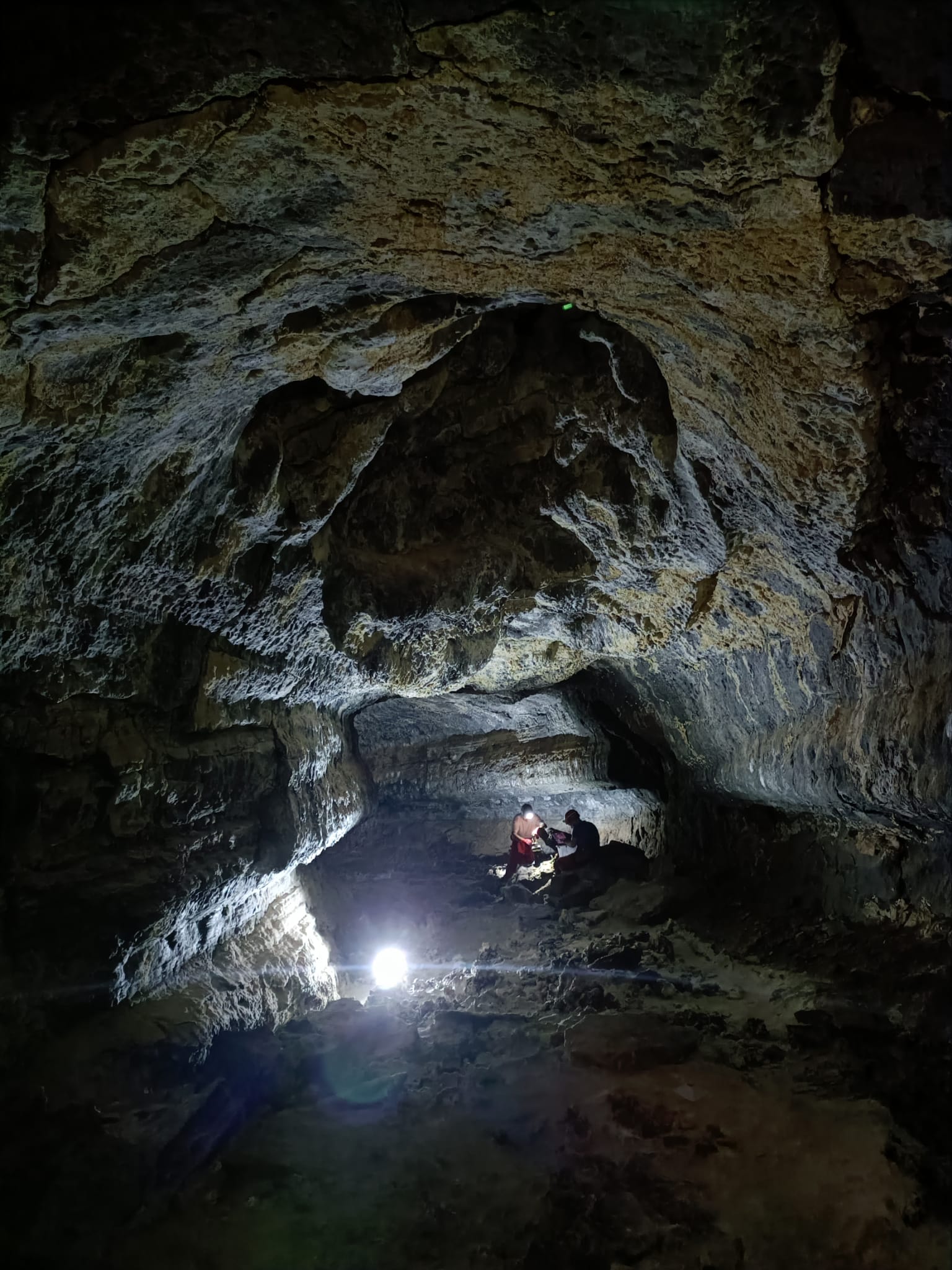
Measurements in Cueva de Los Naturalistas

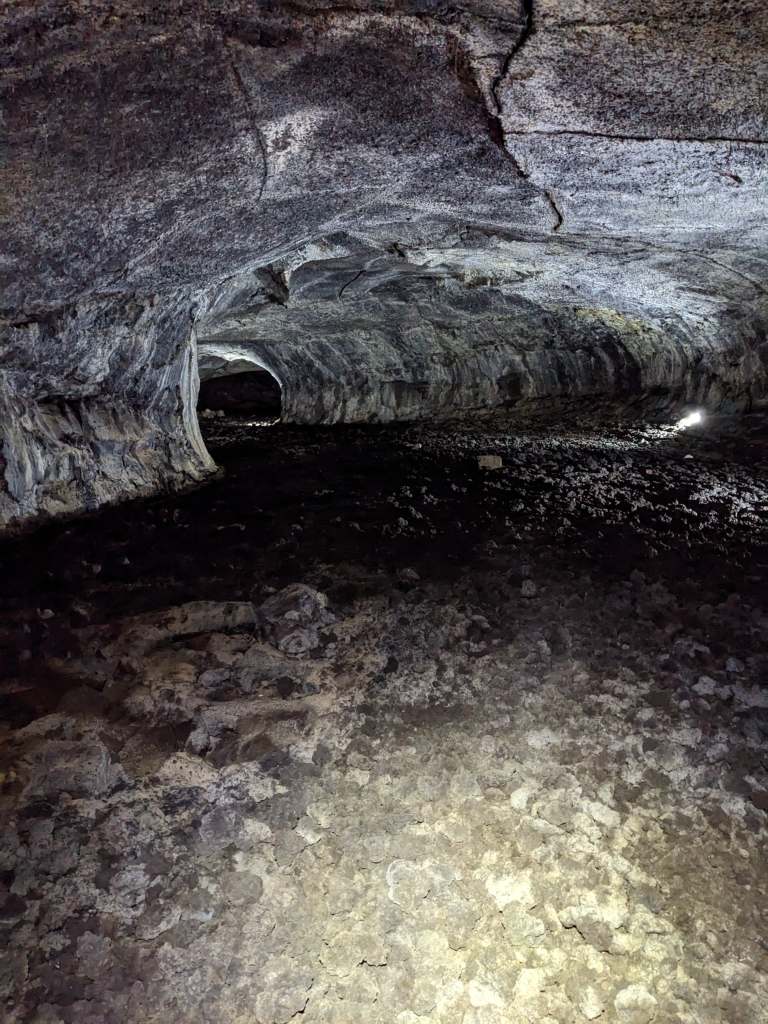
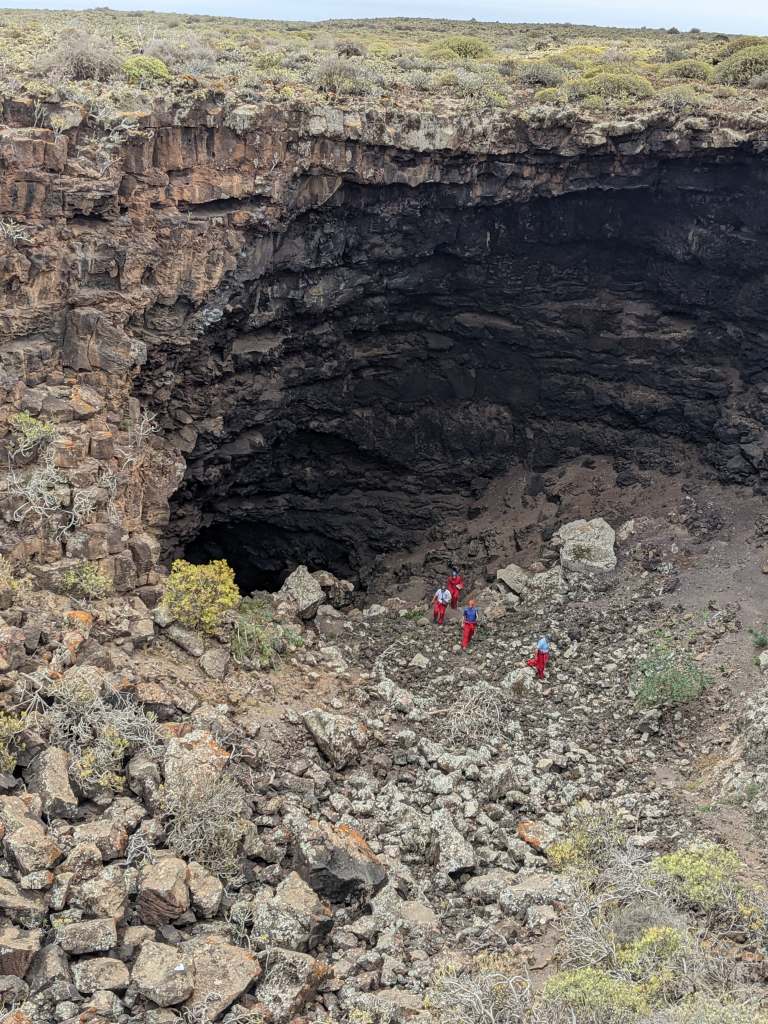
Measurements in La Corona lava tube

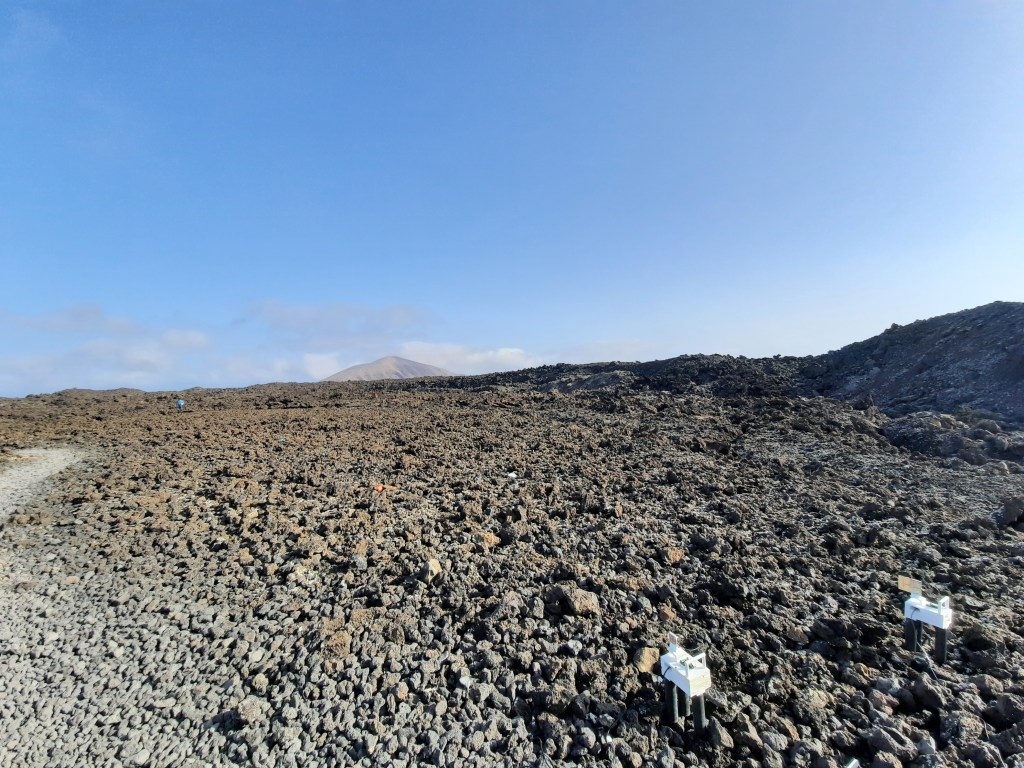
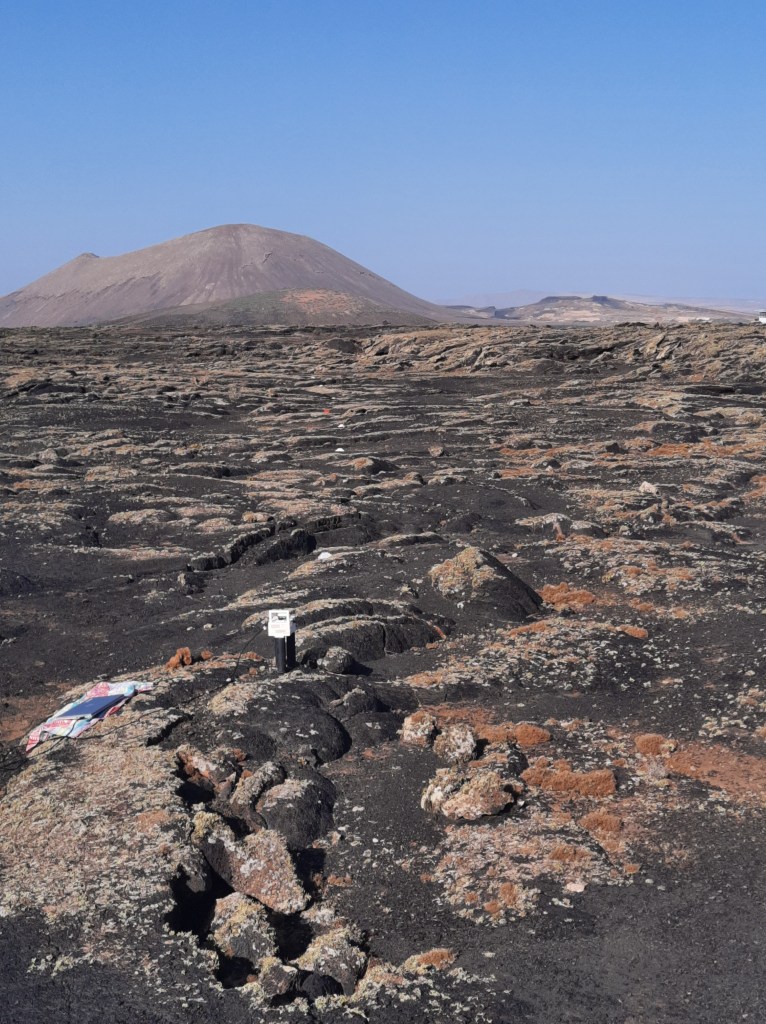
We also made some measurements outside the caves, in the lunar landscape of Caldera Blanca and the outside of Cueva de Los Naturalistas.

Antenna Measurement in Lava Caves

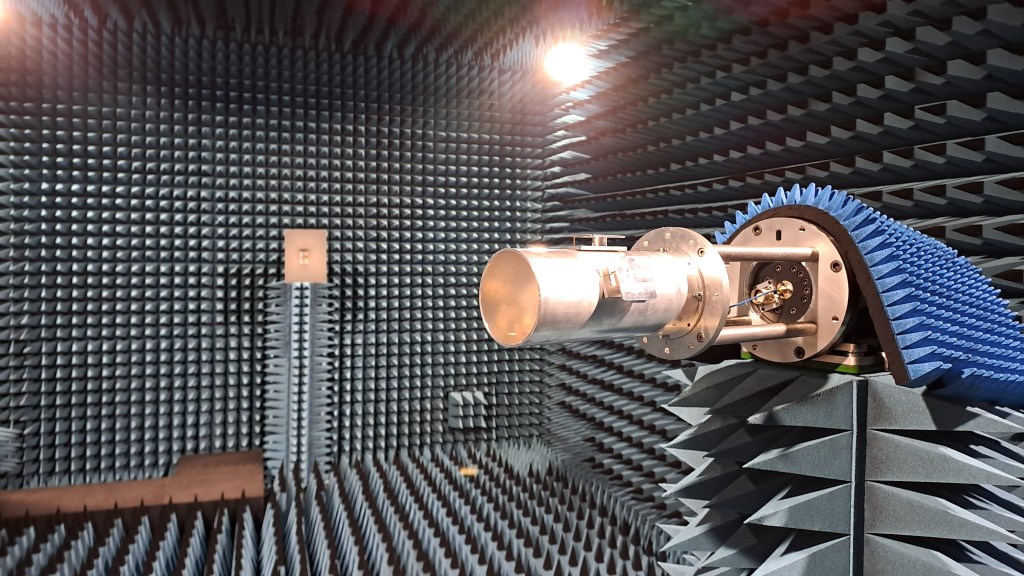
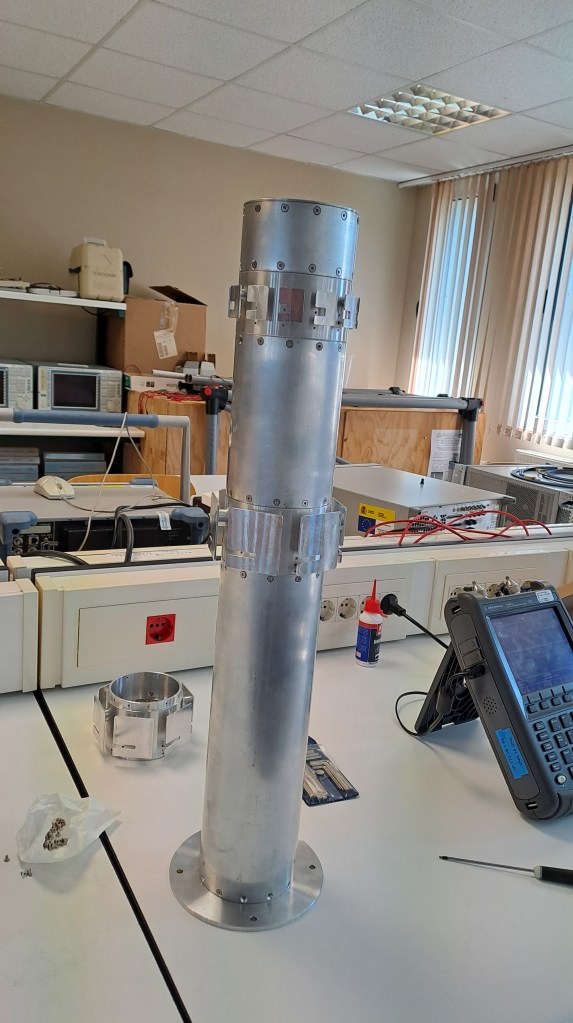
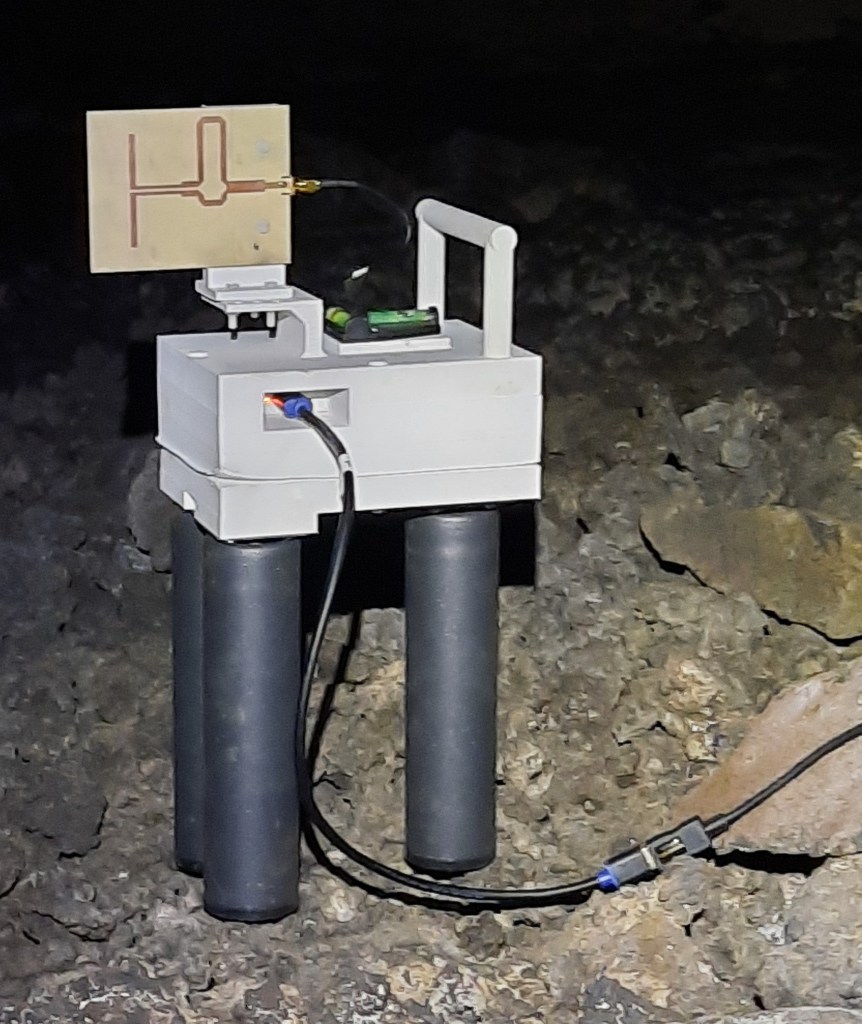
The ultimate goal of the antenna we have developed is the exploration of lunar caves. To test the efficiency of our antenna, we conducted a measurement campaign in lava caves, analogous to those found on the moon, specifically in Lanzarote (Spain). For the measurement campaign, we invented a small portable rotary platform to measure the antenna’s behavior in all directions.

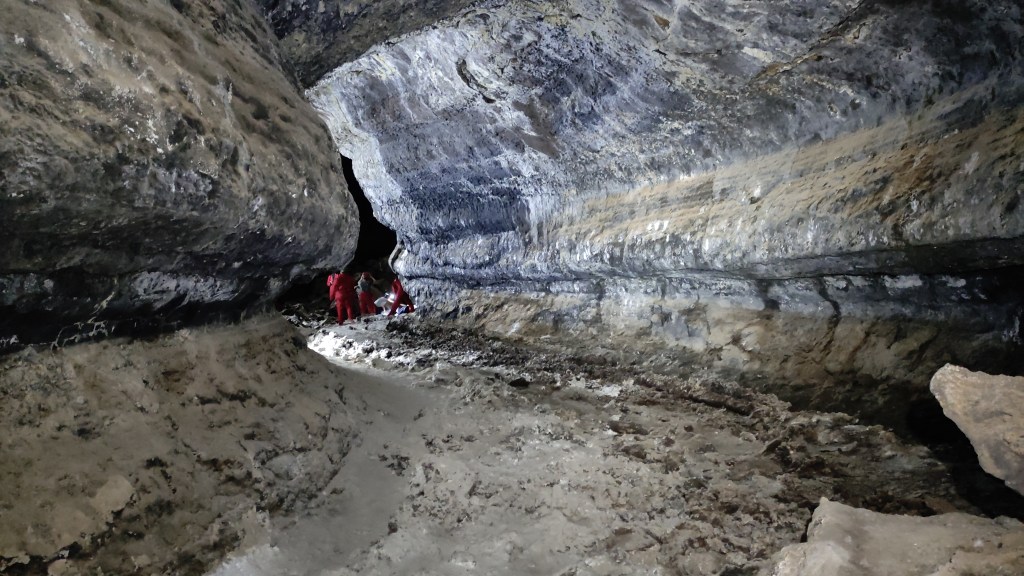
Our first stop was the Los Naturalistas cave. A young lava cave, about 300 years old, with walls and ceilings with little roughness. We conducted two sets of measurements in two different corridors, one with a bend and the other with a small slope.

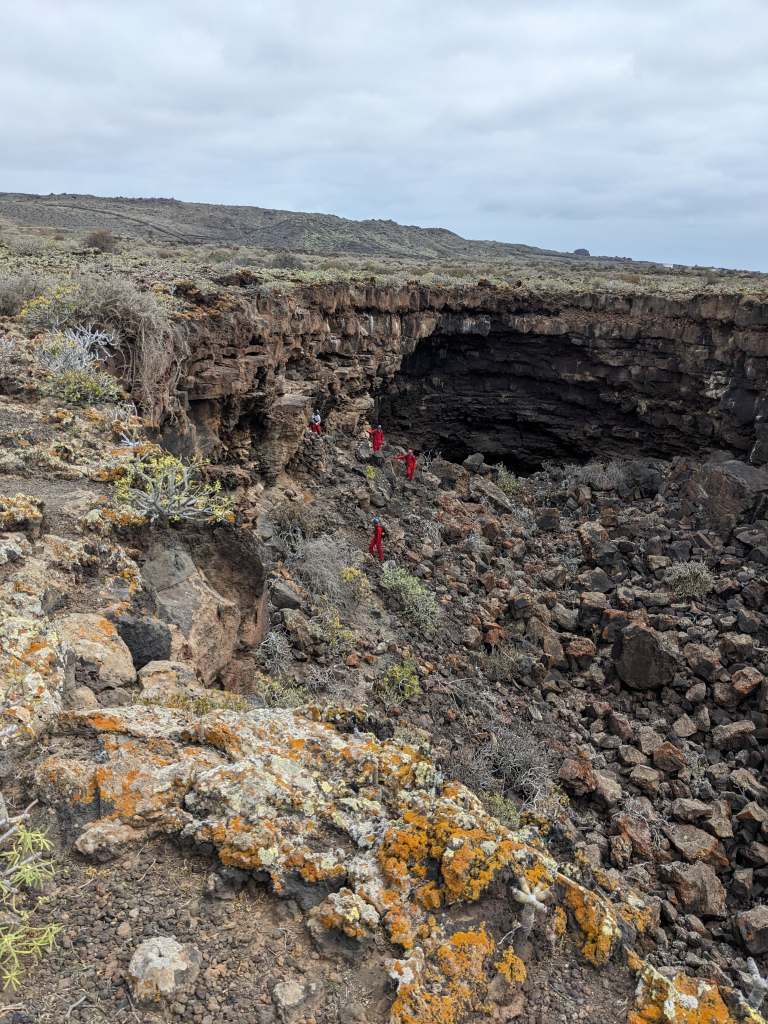
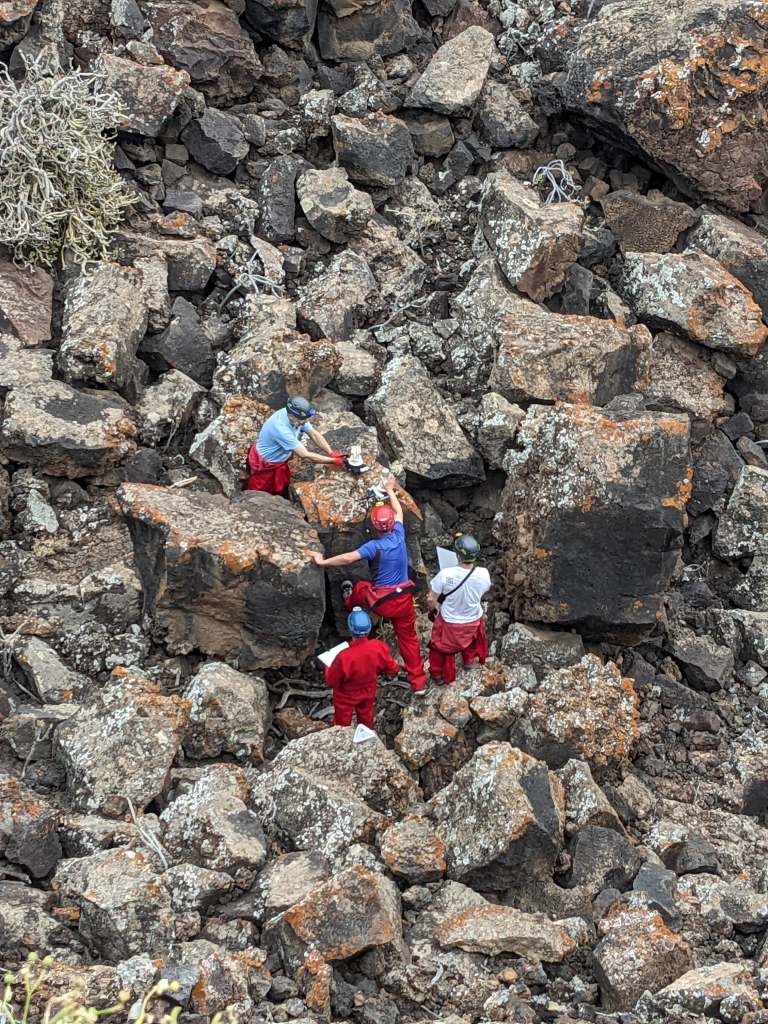
Our second stop was the Jameo de la Gente. Our goal was to check the amplitude of the received signal both in the collapse and at the entrance of the cave, emulating the start of a possible exploration mission.

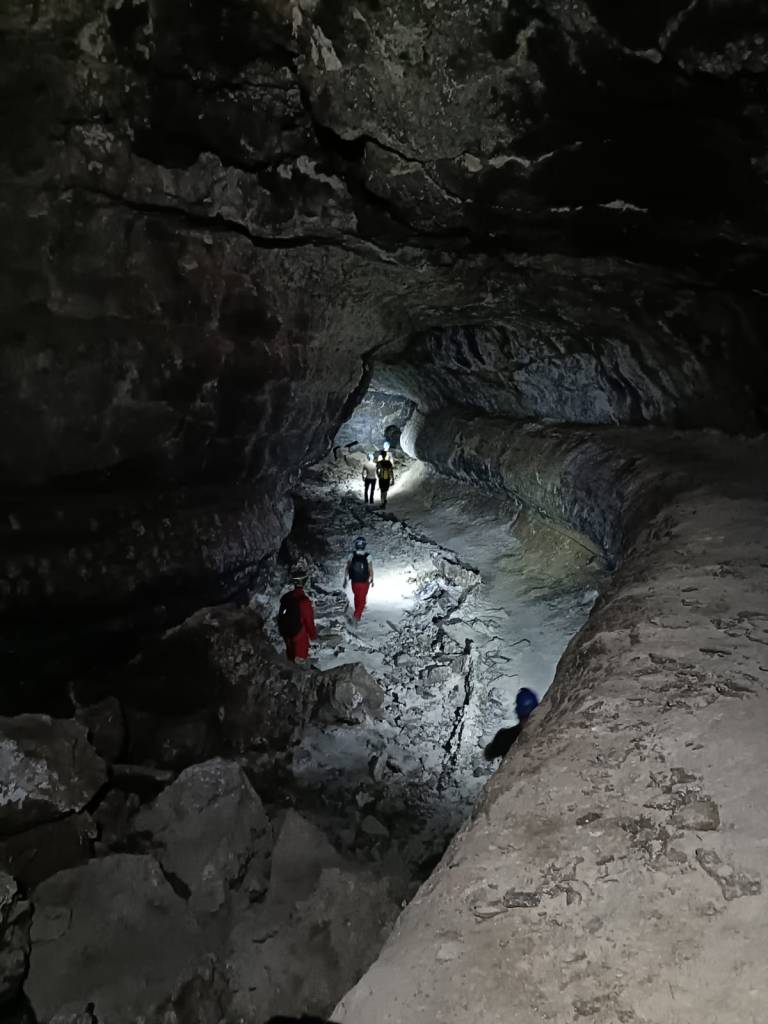
A final set of measurement was carried out inside the Corona tube. This tube is one of the longest on the Earth. That day we were accompanied by Erio Gandini from the European Space Agency.

We obtained very interesting results. You can find them here: «Antenna development for lunar robotic exploration.» 42nd ESA Antenna Workshop, 5. https://doi.org/10.5281/ZENODO.14217460. 

Antenna measurement campaign in TVAC

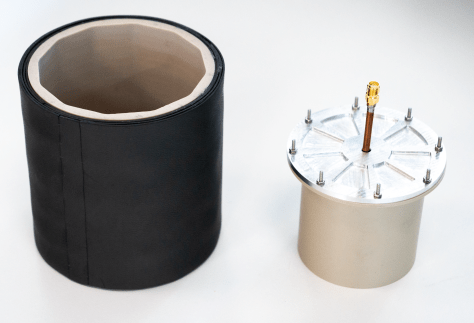
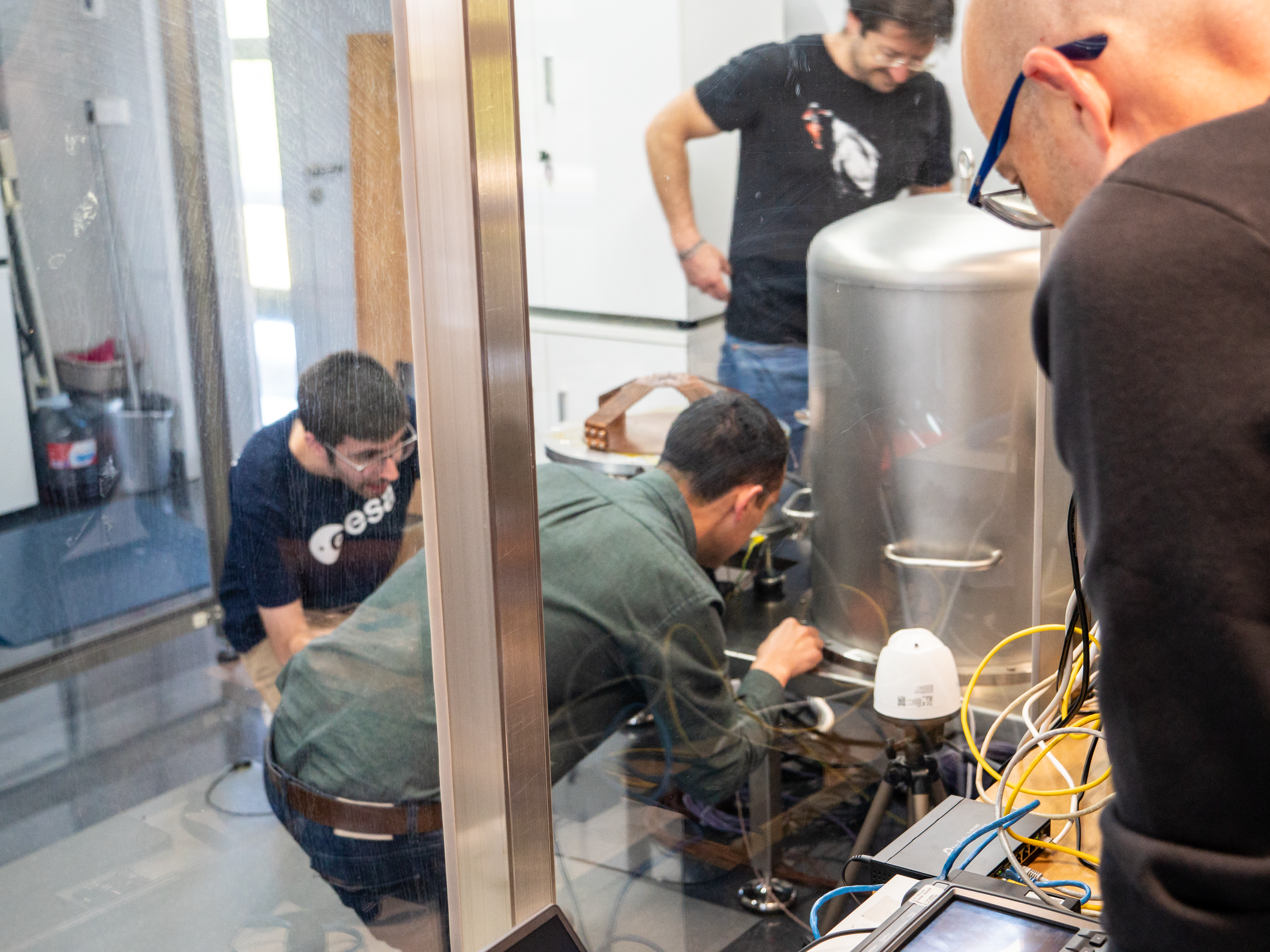
In the framework of the project «Antennas for Underground Communications», a prototype antenna has been validated in a vacuum enviroment, at a operational temperature between -20⁰ to 60⁰C. This test has been carried out in the facilities of the Universidade Vigo.  A electromagnetic absorber made of Ecosorb ( » test cap») surrounded the antenna.

The antenna under test (AUT) is attached to the baseplate through the interface support. Once the antenna-support-baseplate assembly was bolted, a total of 12 thermocouples were attached on the baseplate, the interface and the AUT.   

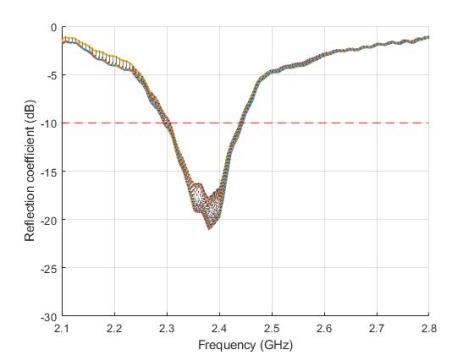
Four thermal cycles have been carried out, measuring the reflection coefficient every two minutes. During these cycles, the antenna reflection coefficient was monitored. The results for the third cycle (as an example) are shown bellow. In all cases, the minimum of the reflection coefficient remains at 2.4 GHz, with small variations. The antenna bandwidth remains at 150 MHz ± 10 MHz, greater than the required bandwidth for this antenna (100 MHz).